"Ho sempre bisogno di sapere perché qualcosa non funziona, così da poter trovare una soluzione"
Giotto
1964
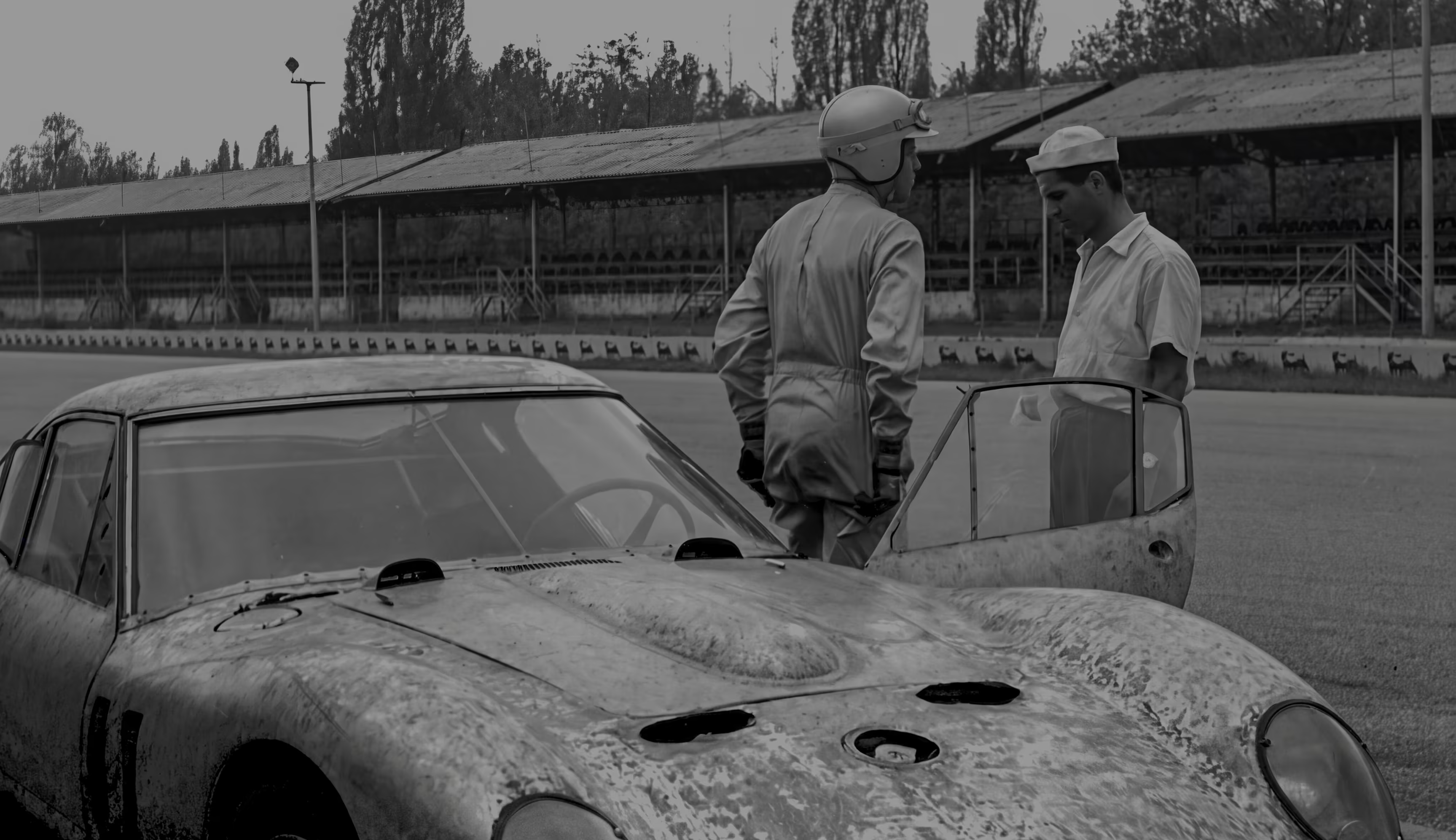
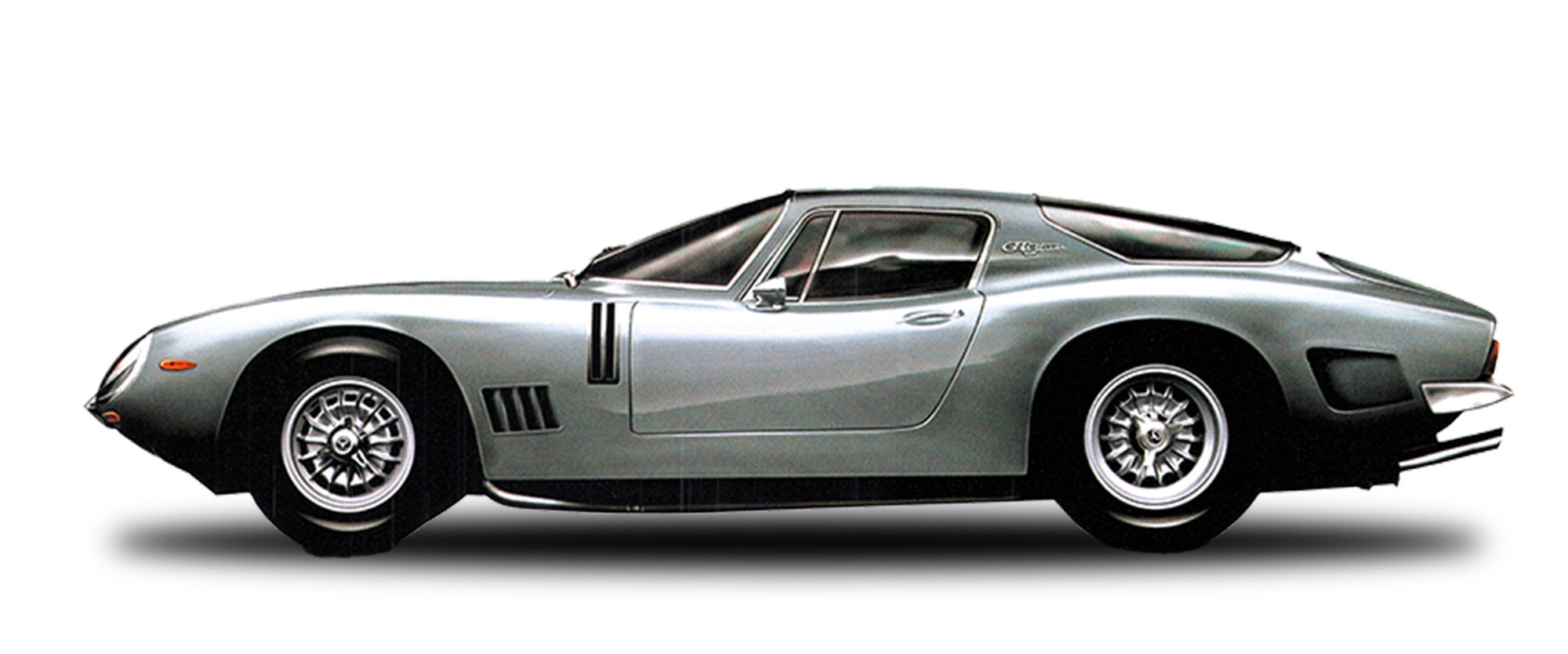
5300GT Strada
La Bizzarrini fu fondata nel 1964 a Livorno, in Italia, originariamente con il nome di Prototipi Bizzarrini S.R.L., per produrre auto sportive di lusso che portassero il nome e il marchio Bizzarrini. In quell’anno di esordio, il geniale ingegnere automobilistico Giotto Bizzarrini realizzò la prima auto della nuova azienda, la 5300GT, che rappresentava un’evoluzione della Iso A3/L sviluppata dalla Bizzarrini.
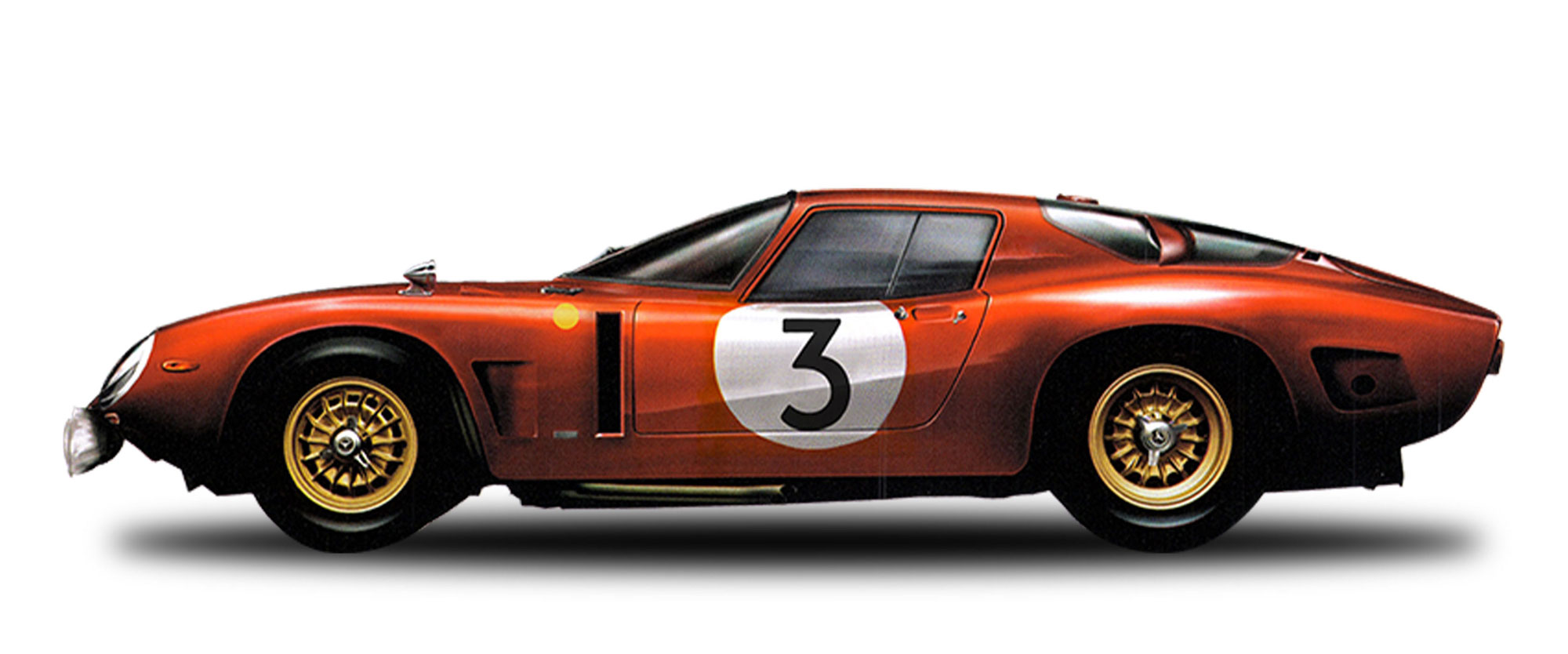
I dati indicano che furono prodotti circa 133 esemplari della 5300 GT nelle versioni Strada, America e nell’iconica Corsa. Giotto era fermamente convinto che l’innovazione, lo sviluppo e l’affidabilità dovessero essere messi alla prova e dimostrati nell’ambiente più esigente della pista. Nel 1965 la versione Corsa della 5300 GT fu progettata dallo stesso Bizzarrini con l’unico obiettivo di raggiungere il successo nelle competizioni.
1965
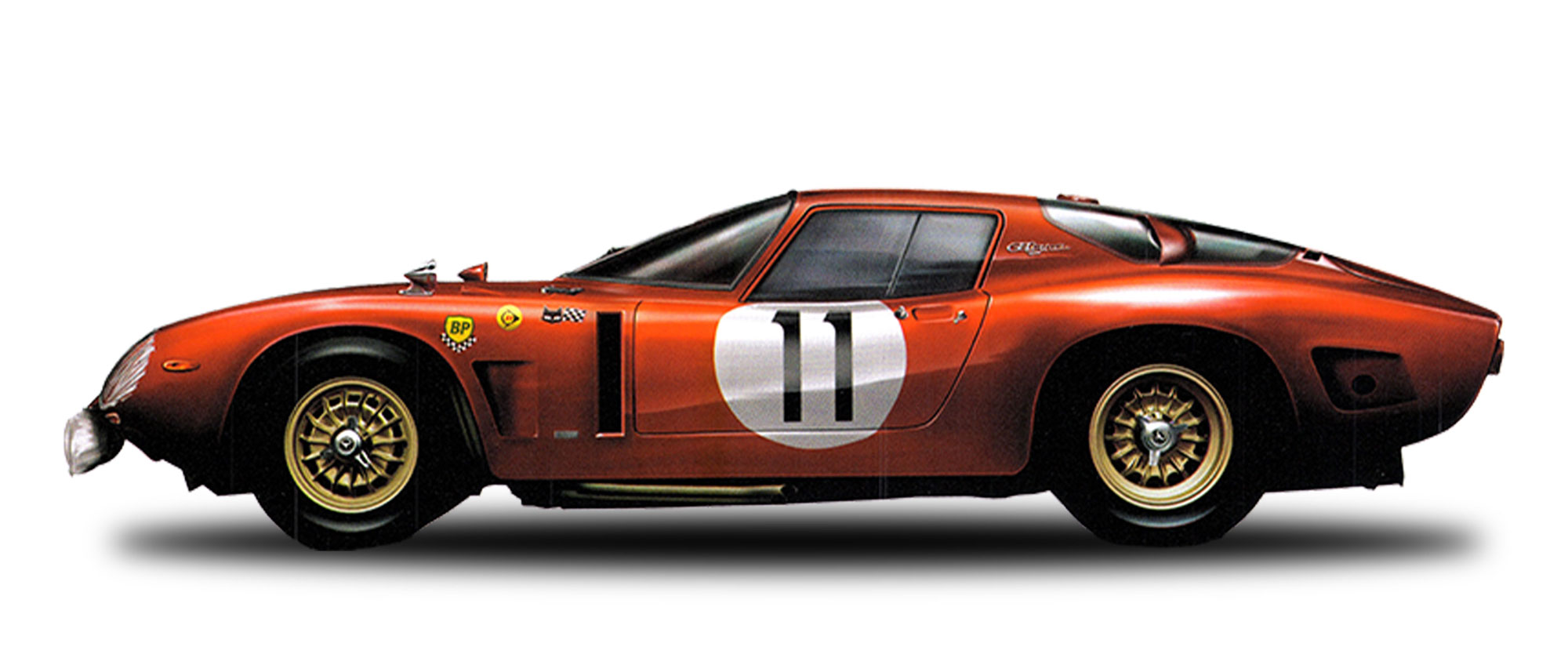
5300GT CORSA
Giotto era fermamente convinto che l’innovazione, lo sviluppo e l’affidabilità dovessero essere messi alla prova e dimostrati nell’ambiente più esigente della pista. Nel 1965 l’edizione Corsa della 5300GT fu progettata dallo stesso Bizzarrini con l’unico obiettivo di raggiungere il successo nelle competizioni.
Nell'estate del 1965, sul Circuit de la Sarthe, la 5300 GT Corsa vinse la classe alla 24 Ore di Le Mans, percorrendo più di 300 giri a una velocità media di 170 km/h. Si narra che quell'anno la Corsa abbia registrato la velocità più elevata sul rettilineo di Mulsanne. Subito dopo la gara Giotto riportò l'auto a casa, a Livorno.
1966
P538
Giotto credeva fermamente che l'innovazione, lo sviluppo e l'affidabilità dovessero essere testati e dimostrati nel luogo più impegnativo: la pista. Nel 1965, l'edizione Corsa della 5300GT fu progettata dallo stesso Bizzarrini con l'obiettivo di raggiungere il successo nelle corse.
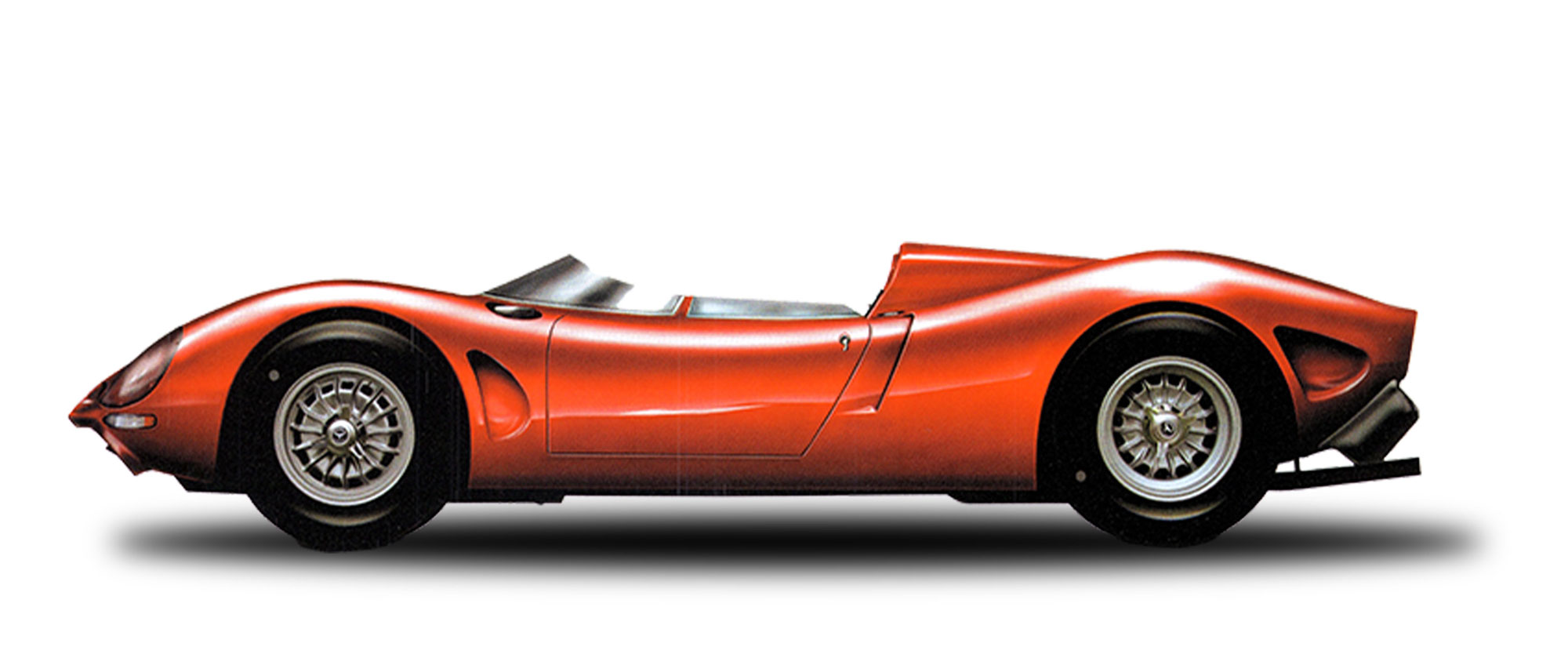
Incoraggiato da quel successo, nel 1966 Bizzarrini creò una speedster aperta ancora più estrema, ma di una bellezza mozzafiato. La carrozzeria sinuosa fu nuovamente progettata da Giugiaro; il nome, derivante dalla configurazione del motore “Posteriore”, dalla cilindrata (5,3 L) e dagli 8 cilindri, fu P538, e l’auto partecipò alla 24 Ore di Le Mans del 1966.
1966
5300GT Spyder
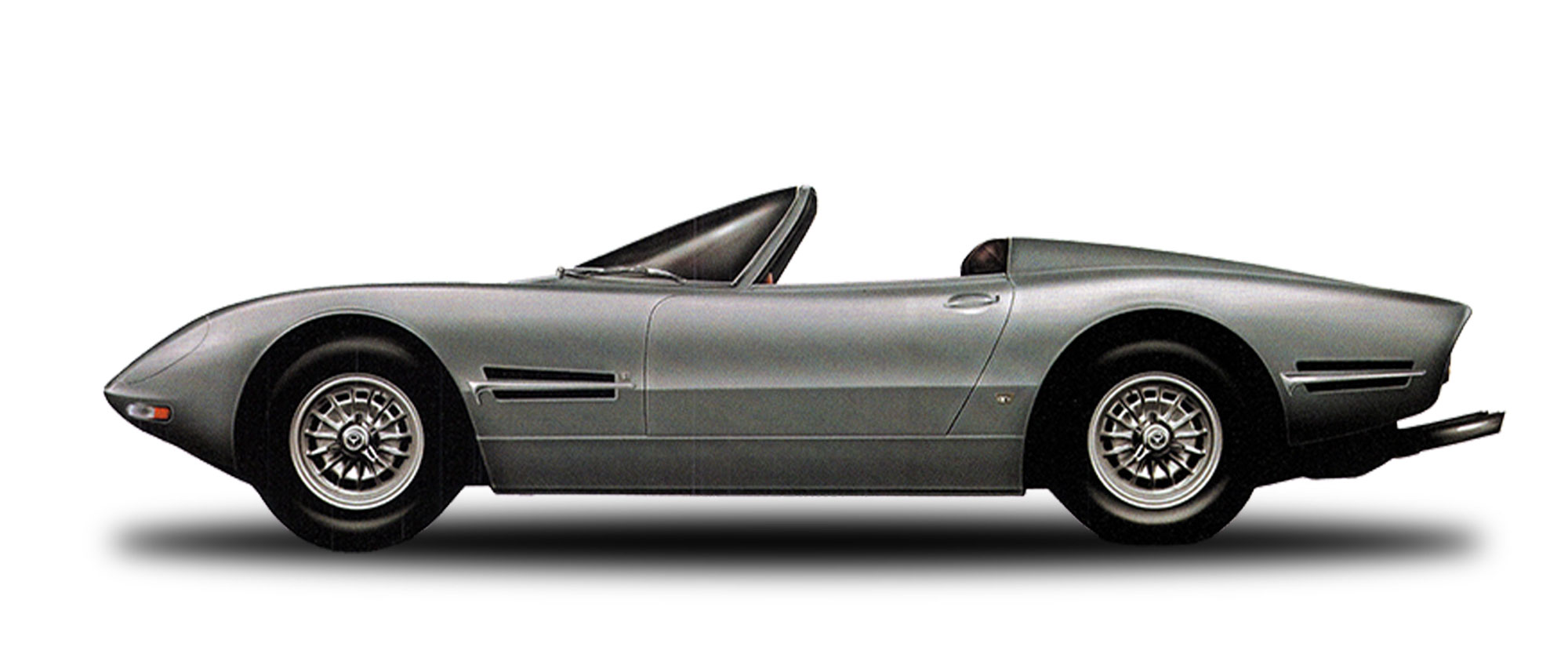
Per Bizzarrini il 1966 è l'anno delle vetture aperte, con la costruzione della P538 e di 3 esemplari della 5300 GT Spyder.
Un sontuoso prototipo argentato completamente aperto con fari carenati fu seguito da altri due esemplari, entrambi con colonna vertebrale centrale in stile Targa.
1967
1900 GT Europa
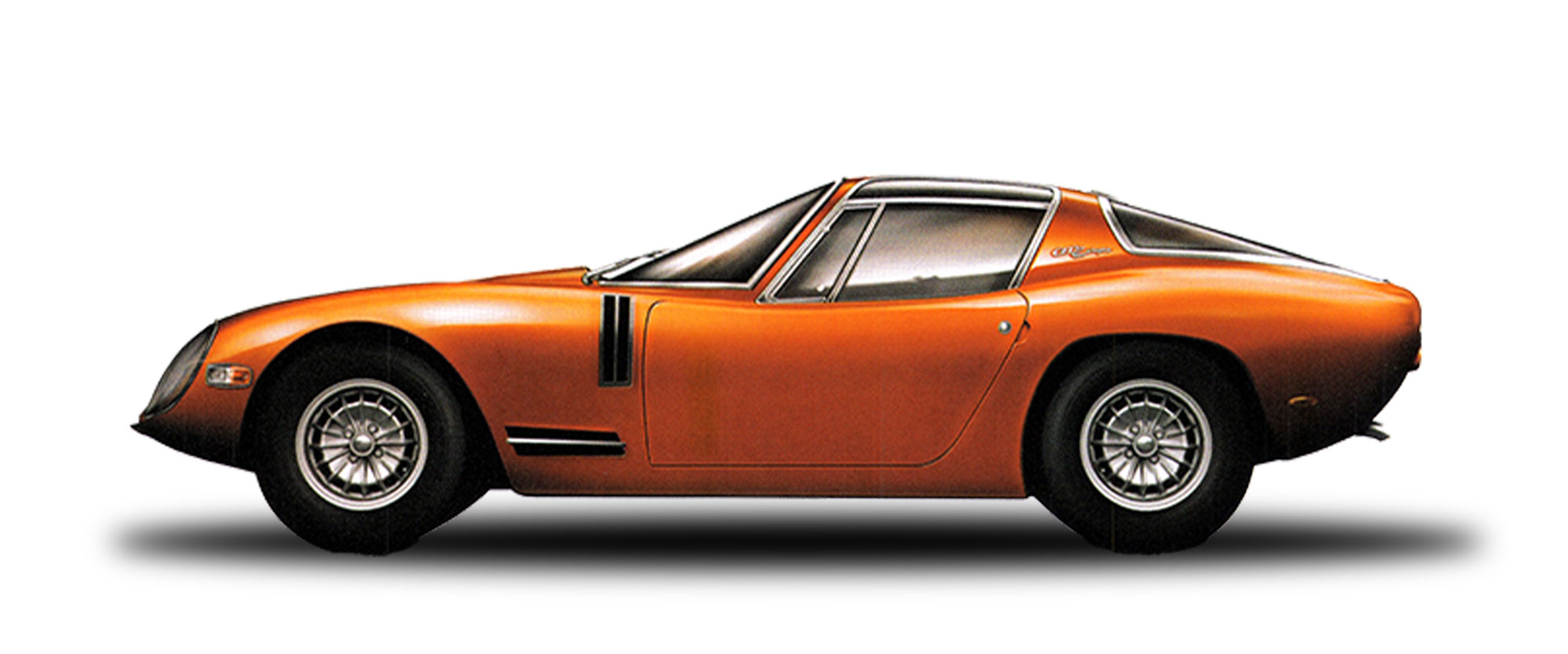
Nel 1967 Bizzarrini creò una sport tourer entry level, la 1900 GT Europa.
Dotata di un modesto motore Opel da 2 litri e di una carrozzeria leggera in fibra di vetro, l’Europa era chiaramente una sorella della potente 5300 GT, con cui condivideva lo stesso caratteristico frontale e i fari incassati. Si ritiene che siano state prodotte meno di 20 1900 GT Europa.
1968
5300 GT America 2+2
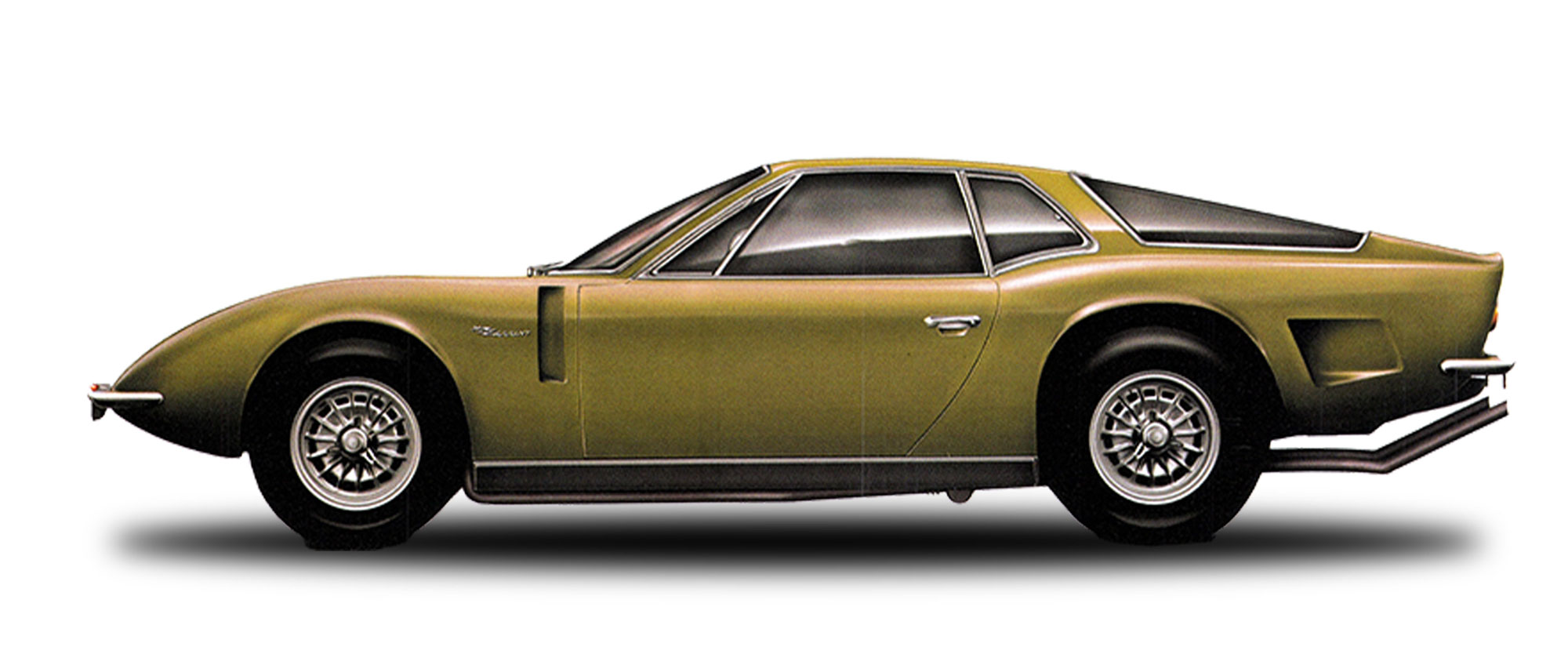
Nel 1968 furono realizzati tre esemplari unici. Una versione 2+2 esclusiva della 5300 GT America fu presentata al Salone di Torino nel novembre dello stesso anno.
Con la carrozzeria modificata per ospitare due sedili posteriori, si trattava di una gran turismo destinata al mercato americano, realizzata senza compromettere l'esperienza di guida dell'iconica 5300 GT.
1968
Manta
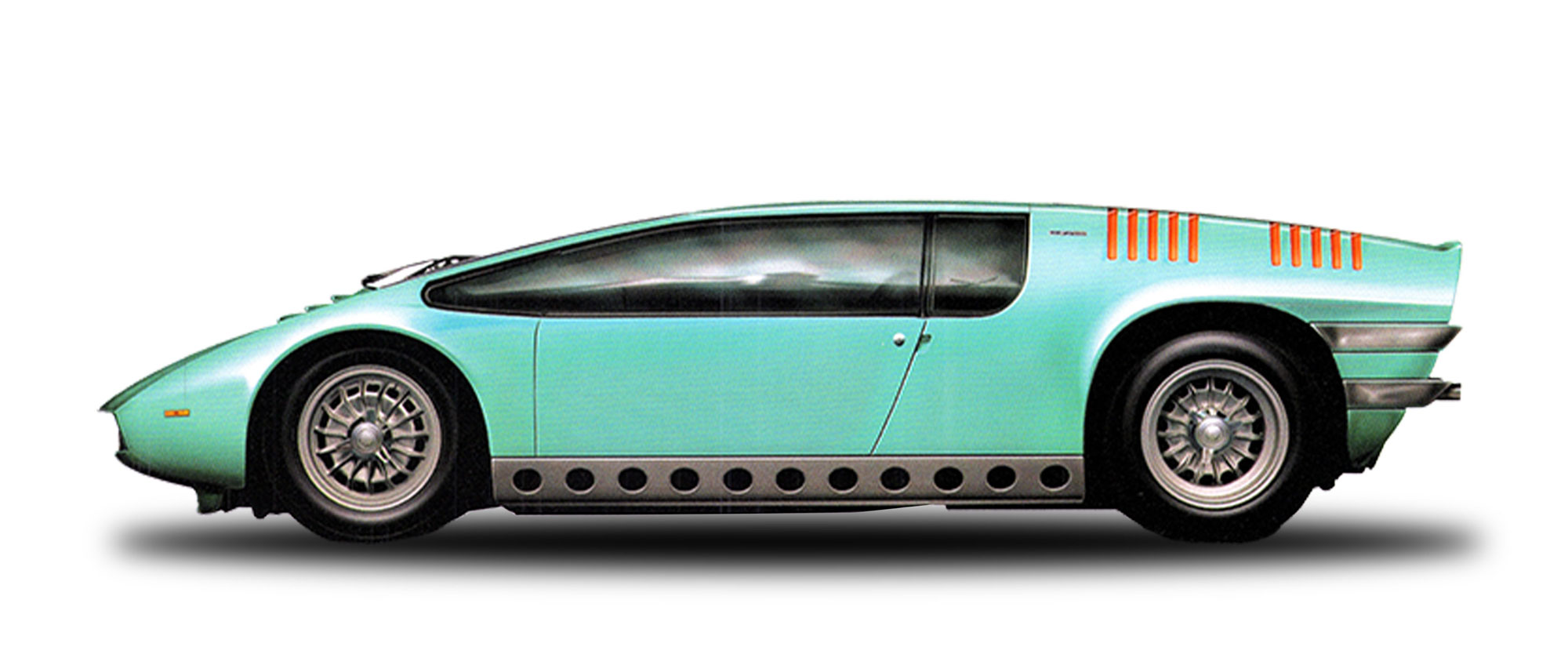
A dimostrazione della forza del rapporto tra Giugiaro e Bizzarrini, quando Giorgetto Giugiaro fondò la sua casa di design, Ital Design, nel 1968, voleva conquistare il mondo dell'automobile. Per dimostrare la sua visione e il suo talento, Giugiaro creò la Bizzarrini Manta per il Salone dell'Auto di Torino.
La Manta rinunciava alle curve fluide per un approccio più geometrico e futuristico. Con una posizione di guida centrale, affiancata da due passeggeri, il concetto della Manta era davvero innovativo e indimenticabile.
1968
538 Duca d’Aosta
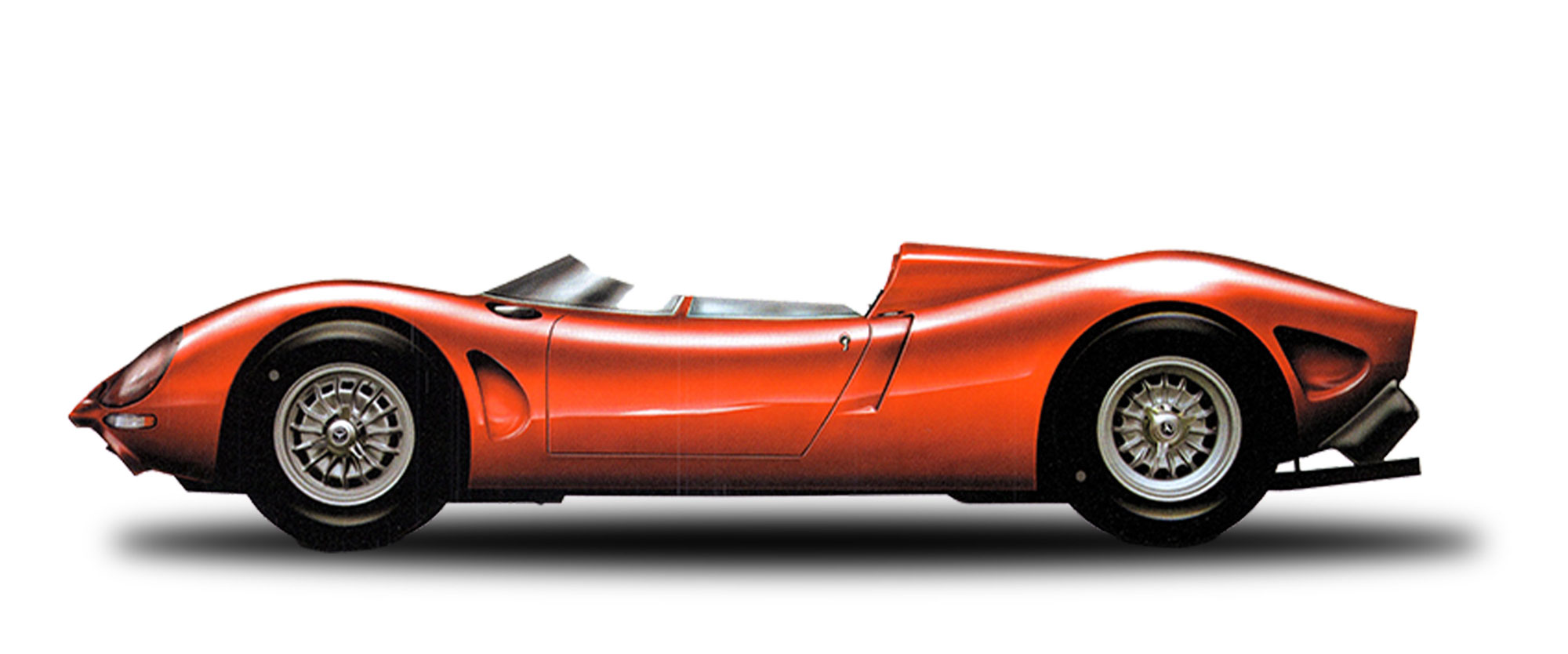
L'unica P538 chiusa fu creata e chiamata così in onore del proprietario che ne commissionò il progetto, il Duca D'Aosta.
Il principe Amedeo, membro della famiglia reale italiana, desiderava avere una formidabile auto da corsa che potesse essere utilizzata quotidianamente su strada. Giotto lo accontentò e creò uno dei modelli Bizzarrini più rari.
2005
Ghepardo GTS
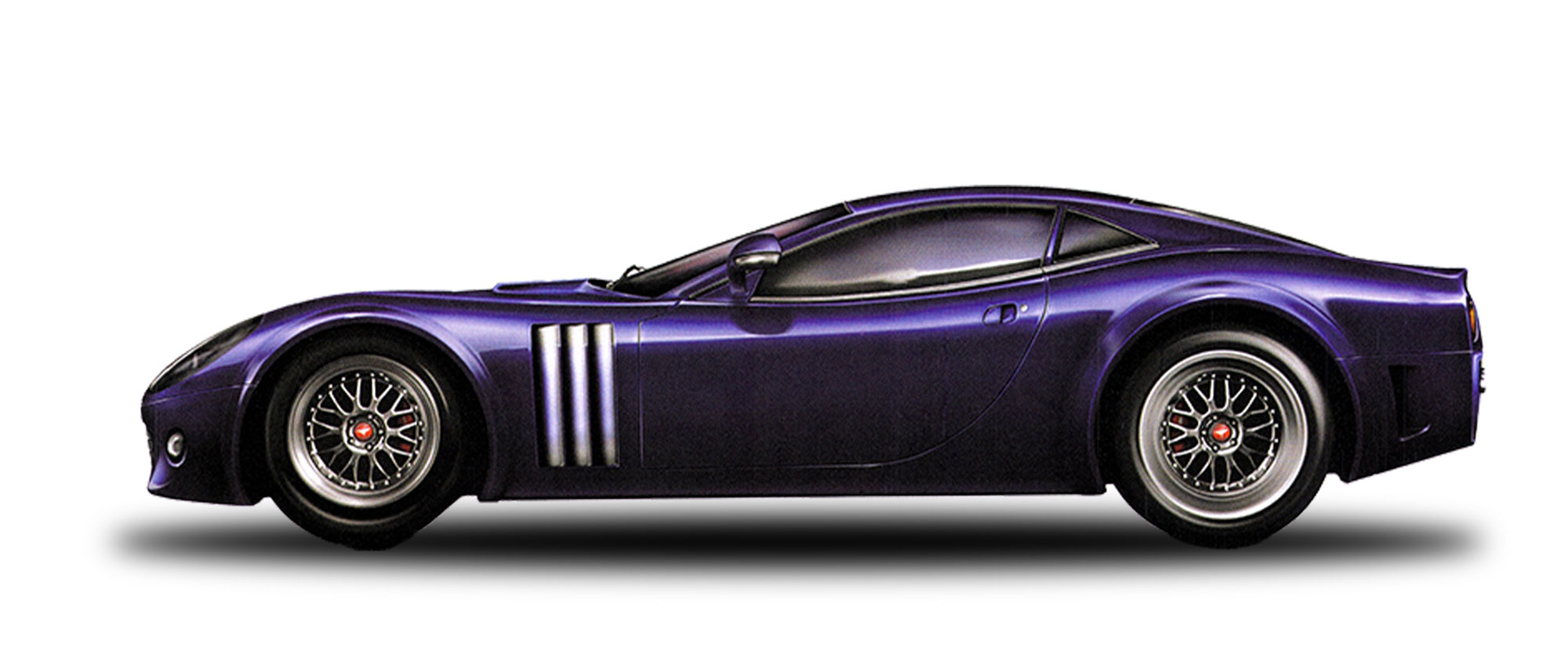
Giotto Bizzarrini è spesso citato per aver affermato: "Sono solo un lavoratore". La sua passione e la sua attenzione per l'ingegneria e la costruzione di automobili avevano comportato un minor rigore negli aspetti finanziari dell'attività. Nel 1969, dopo varie sfide con i suoi soci e investitori, Giotto fu costretto a dichiarare il fallimento della Bizzarrini SpA.
In seguito il marchio Bizzarrini e la sua proprietà intellettuale sono cambiati più volte. Diversi proprietari hanno cercato di resuscitare il marchio con interessanti prototipi creati fino ai primi anni 2000.
2022
5300GT Corsa Revival
Nel 2020, dopo un passaggio di proprietà, è stata costituita una nuova società Bizzarrini che ha intrapreso la strada di riportare il marchio alla ribalta nel mondo automobilistico.
In qualità di controllata di Pegasus Brands, Bizzarrini può contare sul sostegno di Alroumi Group Holdings e del CEO del gruppo, Rezam M Alroumi, che è stato l’artefice principale del gruppo di investitori locali e internazionali che nel 2007 ha acquisito una quota di maggioranza di Aston Martin Lagonda. Sotto la sua guida, il marchio è stato completamente riposizionato, il che ha portato al periodo di maggior successo della sua storia.